 Kostenloser Versand ab$200

- Produkte
- Kennzeichnung
- Alternative

XH414HG-II06E SEIKO EDLC: Applications, Selection Guide and Buying Notes
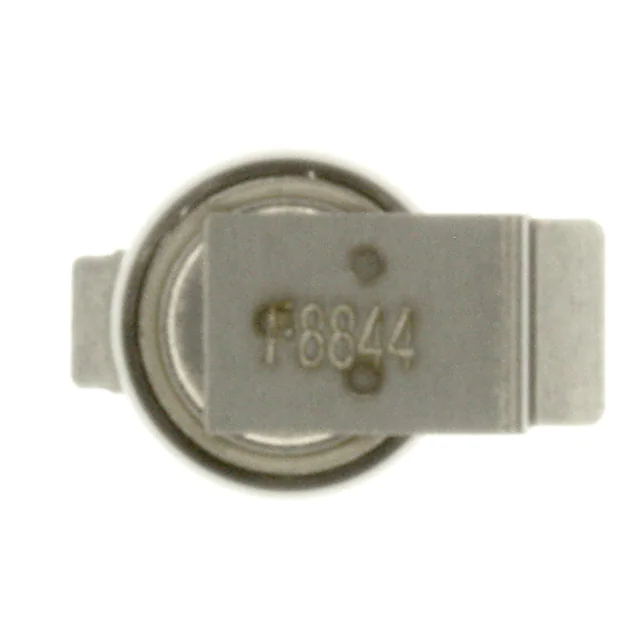
- Teilenummer:
- XH414HG-II06E
- Hersteller:
- Seiko Instruments
- Verpackung:
- Beschreibung:
- CAP 80MF 3.3V SURFACE MNT
- Zahlung:

- Versand:

Inventar:8,600
Senden Sie uns Ihre Anfrage, wir antworten umgehend.
Artikeldetails
XH414HG-II06E SEIKO EDLC Supercapacitor: Applications, Selection Guide, Alternatives and Buying Notes
XH414HG-II06E SEIKO EDLC supercapacitor is a Seiko Instruments XH-HG series coin-type Electric Double Layer Capacitor for compact 3.3V backup rails. It is used where an RTC, memory domain or small retention circuit needs short-duration energy after the main supply is removed. Key verified points include 80 mF / 0.08 F capacitance, 3.3V maximum charging, 4.8 mm diameter and SMD tabs, coin package with wide terminals on opposite sides. View the XH414HG-II06E product detail page or contact In-Fortune for sourcing support.
What is XH414HG-II06E?
XH414HG-II06E is not a primary coin battery and should not be described as a replaceable battery cell. It is an EDLC backup component: a very small capacitor optimized for board-mounted retention energy. In practical design terms, it sits on a backup node that only powers the circuitry that must remain alive during a short power interruption. That node may include a real-time clock, a few registers, SRAM retention, a counter, a sensor state register or a microcontroller backup domain.
The SEIKO XH-HG family is useful where board area and height are tight but the required backup current is very low. The electrical values tell whether the hold-up calculation works; the suffix tells whether the mechanical land pattern works.
How XH414HG-II06E is used
Typical backup circuit role
In a typical circuit, XH414HG-II06E is connected to a stable 3.3V backup rail through a controlled charge path. The main supply charges the EDLC while the equipment is operating. When the main rail falls, a diode, load switch or power-management circuit isolates the rest of the board so only the backup domain is powered. The retained load should be measured in microamps; radios, relays, displays and motors are outside the normal RTC and memory-retention use case.
The charge rail deserves careful review. Seiko data for these XH-HG parts uses a 3.3V maximum charge condition and CC/CV charging with a 500 uA maximum current in the test condition. The datasheet notes also warn against ripple charging and point out that higher charge voltage, temperature and humidity accelerate aging. Use a clean charge source, current limiting and a leakage calculation that includes the EDLC, protection path and backup IC pins.
Pinout and PCB footprint considerations
The XH414HG-II06E pinout is mostly a terminal and polarity question. Unlike an IC, there is no logic pin map; the critical information is which tab is positive, which pad is negative, where the coin body sits and how the SMD terminal lands survive reflow and mechanical stress. The II06E suffix points to the opposite-side wide terminal version, so its PCB land pattern is different from IV01E.
This matters in purchasing as much as it matters in CAD. A request that says only XH414HG or XH311HG can lead to a part with the right voltage and capacitance but the wrong solder footprint. Freeze the full model number, including II06E, when the layout is approved.
Key specifications for XH414HG-II06E
| Parameter | XH414HG-II06E value or review note |
|---|---|
| Manufacturer | SEIKO / Seiko Instruments |
| Category | Electric Double Layer Capacitor (EDLC), supercapacitor |
| Series | XH-HG |
| Model | XH414HG-II06E |
| Rated voltage / charge voltage | 3.3V maximum charge voltage; use a controlled stable charge rail |
| Capacitance | 80 mF / 0.08 F |
| Backup capacity note | 0.08 F capacitance for backup discharge; application hold time must be calculated from the real load current |
| Internal impedance | 100 ohm internal impedance in the XH414HG datasheet |
| Diameter | 4.8 mm |
| Height | 1.4 mm body height in the XH414HG datasheet; DigiKey lists 1.85 mm maximum height |
| Termination / package | SMD tabs, coin package with wide terminals on opposite sides |
| Operating temperature | -20 to +60 degC in distributor and datasheet references |
| Charge test condition | CC/CV, 3.3V maximum, 500 uA maximum, 5 hours at room temperature in the datasheet charge test |
| Discharge test condition | 20 uA discharge test in the XH414HG datasheet |
| Soldering note | Pb-free reflow is supported in the datasheet; peak 260 degC within 5 seconds and two reflow passes maximum should be treated as process limits |
| Lifecycle note | DigiKey lists XH414HG-II06E as obsolete. Confirm current lifecycle, PCN history and replacement approval before using it in a new build. |
| Exact terminal drawing | to be confirmed with supplier before PCB release |
XH414HG-II06E selection guide
Select XH414HG-II06E when the design needs low-current RTC, register or SRAM retention circuits that need more hold-up than a 20 mF EDLC and have room for a 4.8 mm coin device. The choice is not only about capacitance; it is the combination of EDLC behavior, 3.3V charging, SMD assembly and the specific terminal geometry. more hold-up reserve than XH311HG-IV07E, while keeping a low-profile 4.8 mm coin format can be the deciding point in small meters, portable instruments, wireless modules and compact industrial controllers.
Before selecting the part, calculate retention time from measured load current. Start with the minimum operating voltage of the backup IC, charged EDLC voltage, leakage across the protection path and capacitance derating assumptions. If the hold-up time has no margin, move to a larger capacitance class or another energy-storage approach before PCB release.
Do not select XH414HG-II06E for layouts that require the corner terminal geometry of IV01E, designs that need a removable battery, or circuits that cannot control the charge rail at 3.3V. It is also a poor match for long calendar backup, high current pulses or a charging source that cannot be limited to the EDLC rating. For regulated equipment, review lifecycle and compliance documentation before design-in.
Alternatives and cross references for XH414HG-II06E
XH414HG-II06E alternatives should be treated as engineering candidates, not automatic replacements. Before approving a replacement, compare the datasheet, terminal polarity, package outline, PCB footprint, rated voltage, capacitance, internal impedance or ESR behavior, leakage, charge profile, reflow limits, temperature range, lifecycle status and compliance records.
| Possible alternative | Main difference | Replacement risk |
|---|---|---|
| XH414HG-IV01E | Same 80 mF XH414HG base family with a different terminal layout | Electrical family is close, but pad geometry and terminal direction differ. |
| XH311HG-IV07E | Smaller 20 mF version with a 3.8 mm body | May reduce backup duration and requires a new footprint review. |
| CPH3225A | Compact chip-type EDLC alternative candidate | Not a terminal-compatible replacement; capacitance and package must be checked. |
| ML414H IV01E or MS421R IV03E | Rechargeable lithium battery alternatives seen in distributor cross-reference contexts | Different chemistry and charge requirements require circuit-level approval. |
Useful comparison targets include XH311HG-IV07E, XH414HG-IV01E and other low-profile backup components, but the replacement decision must be based on the released schematic, land pattern and application risk. Do not substitute a different chemistry or suffix without engineering approval.
Buying notes and sourcing checks
Before sending an RFQ for XH414HG-II06E, confirm the complete manufacturer part number, SEIKO / Seiko Instruments brand wording, XH-HG series, terminal suffix, packaging method, date code expectation, batch consistency, original factory condition, compliance document needs, lead time and approved substitute range. Ask the supplier whether lifecycle information or PCN history affects the purchase decision.
For manufacturing, confirm reflow profile, maximum reflow passes, polarity marking, tape orientation and inspection criteria. For engineering, confirm the 3.3V charge limit, maximum charge current, backup-load current, reverse current path and minimum voltage needed by the retained domain. Review the In-Fortune XH414HG-II06E product detail page. Request sourcing support for XH414HG-II06E. Contact In-Fortune to confirm XH414HG-II06E specifications. Send an RFQ with your required quantity and delivery schedule.
XH414HG-II06E SEIKO FAQ
Where can I find the XH414HG-II06E datasheet?
Use the XH-HG or base-family Seiko Instruments datasheet as the first electrical reference, then confirm the exact suffix drawing with the supplier. The suffix is important because terminal geometry affects the PCB footprint.
What is the XH414HG-II06E pinout?
For this EDLC, pinout mainly means polarity, SMD tab position and the recommended land pattern. The II06E suffix points to the opposite-side wide terminal version, so its PCB land pattern is different from IV01E. Always check the terminal drawing before releasing the PCB.
What applications fit XH414HG-II06E?
XH414HG-II06E fits low-current backup domains such as RTC, small memory retention, counters, configuration registers and compact portable or industrial electronics that can charge from a stable 3.3V rail.
Can XH414HG-II06E replace a rechargeable lithium battery?
Not without review. An EDLC and a rechargeable lithium backup cell use different energy storage behavior, leakage profile, charge requirements, discharge curve and safety documentation.
Can another XH-HG terminal suffix replace XH414HG-II06E?
Only after the PCB footprint, enclosure keep-out, soldering process and polarity are checked. A suffix change can be mechanically incompatible even when capacitance and voltage look similar.
What should procurement confirm before sourcing XH414HG-II06E?
Confirm the full part number, SEIKO / Seiko Instruments brand, terminal suffix, packaging method, date code expectation, batch consistency, original condition, compliance documents, lead time and approved substitute range.
Suggested internal links for XH414HG-II06E
- XH414HG-II06E product detail page
- XH311HG-IV07E product detail page
- XH414HG-IV01E product detail page
- In-Fortune exact model search for XH414HG-II06E
- SEIKO / Seiko Instruments manufacturer page on In-Fortune
- In-Fortune electronic component product catalogue
- XH311HG-IV07E SEIKO EDLC article
- XH414HG-IV01E SEIKO EDLC article
Missing or uncertain data for XH414HG-II06E
- Exact suffix terminal drawing, solder-land geometry and tape orientation: to be confirmed with supplier before PCB release.
- Current SEIKO / Seiko Instruments lifecycle, PCN history and approved last-buy or replacement path: to be confirmed with supplier.
- RoHS, REACH, customer-specific compliance packet and transport documentation requirements: to be confirmed with supplier.
- Packaging method, date-code range, batch consistency and acceptable substitute list for the purchase order: to be confirmed with supplier.
XH414HG-II06E Spezifikationen
- Attribute
- Eigenschaftswert
- Hersteller
- Seiko Instruments
- Serie:
- XH-HG
- Verpackung:
- Tape & Reel (TR)
- Produktstatus:
- Obsolete
- Kapazität:
- 80 mF
- Toleranz:
- -
- ESR (Äquivalenter Serienwiderstand):
- -
- Lebensdauer bei Temperatur:
- -
- Anschluss:
- SMD (SMT) Tabs
- Montageart:
- Surface Mount
- Paket/Gehäuse:
- Coin, Wide Terminals - Opposite Sides
- Spannung - Nenn:
- 3.3 V
- Leitungsabstand:
- -
- Größe/Abmessung:
- 0.189" Dia (4.80mm)
- Höhe - Sitz (Max):
- 0.073" (1.85mm)
- Betriebstemperatur:
- -20°C ~ 60°C
Die Beiträge
-
Erkundung der Merkmale der AN431AN - ATRG1 Spannungsreferenz - IC
AN431AN - ATRG1, Spannungsreferenz - IC, elektrische Eigenschaften, Anwendungen


